Editorial
O Instituto Universitário Militar (IUM), como entidade aglutinadora das escolas superiores militares portuguesas e dos seus respetivos centros de investigação, promove o estudo dos desafios que se apresentam à segurança internacional e, principalmente, à Defesa Militar, apresentando novas perspetivas sobre a Polemologia, indicando necessidades de adaptação das Forças Armadas aos novos desafios, na previsão do que serão as necessidades de Segurança e Defesa.
A obra que agora se apresenta é um resultado natural de diversos estudos realizados no IUM. Congregando perspetivas de militares e académicos, tendo sempre em vista perceber, sob algumas novas perspetivas, como evolui a “arte da guerra”, o trabalho agora levado à estampa é um contributo útil para se compreender como evoluem as ameaças, como se adaptam os mecanismos de que os Estados dispõem e como será necessário fazer adaptações.
Esta obra alerta para a necessidade de se reverem os conceitos que têm dado forma à perspetiva tradicional da guerra, uma visão que desde o Conde Karl von Clausewitz tem sido aceite como a mais central no estudo das guerras e dos conflitos. Esta perspetiva tradicional, central nas teorias realistas das Relações Internacionais, começou a ser desafiada após o final do período designado como de Guerra Fria. Alguns teóricos, tendo como a pioneira Mary Kaldor, apresentaram novas ideias sobre outras formas de conflito, para além dos que aconteciam entre os Estados. Mas a ideia de “Novas Guerras” não se pode circunscrever ao ambiente e condições que aqueles teóricos postularam, pois é ainda mais complexa a situação quando novas tecnologias estão ao dispor dos Estados para fazerem a guerra. E a complexidade do estudo dos conflitos é muito incrementada quando essas tecnologias podem ser acedidas e utilizadas por outros atores que não os Estados.
Este é assim, mais um valioso contributo do IUM para enriquecer o conhecimento e estimular o debate sobre os novos tipos de conflito.
IUM em Pedrouços, 18 de agosto de 2020
Tenente-general Manuel Fernando Rafael Martins
Comandante do IUM
Artigos
8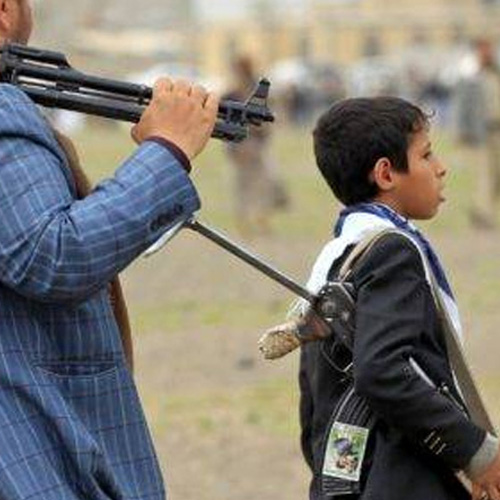
Nos finais do século passado e com muito mais incidência neste novo, começaram a tornar- se cada vez mais frequentes novas abordagens teóricas sobre a guerra e os conflitos, pondo em causa um paradigma consolidado e aceite desde o século XVIII, com os trabalhos do conde Karl Von Clausewitz. Contudo, esta “novidade” de um novo modo de exercer violência organizada poderá – e deverá – ser alvo de uma cuidada análise. É o que propõe este capítulo, esclarecendo se estamos perante uma inovação. Argumenta-se que realmente há, no âmbito da polemologia, um conjunto de novas caraterísticas, que poderão ser devidas a recentes dinâmicas da globalização. Ou seja, o modo de fazer a guerra alterou-se, na verdade. Mas serão essas alterações suficientes para se poder afirmar que mudou o paradigma da violência organizada, estando agora a assistir-se à transformação profunda das guerras em “Novas Guerras”?


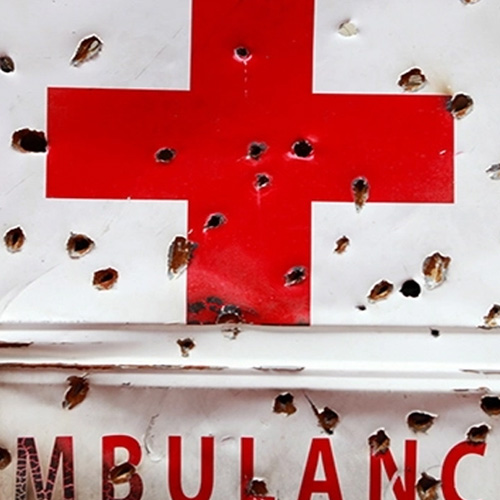
O jus ad bellum é a área do Direito Internacional contemporâneo que estabelece os termos e as condições do uso da força pelos Estados tendo em vista o objectivo de manter a estabilidade da ordem internacional. Neste capítulo parte-se do debate em torno das “novas guerras” e discute-se uma eventual reconfiguração do regime que proíbe o uso da força no sistema internacional. Neste contexto, exploram-se temas controversos como a ideia de desenvolver novas categorias jurídicas adequadas à realidade destes conflitos e a legalidade das intervenções humanitárias armadas ao abrigo da doutrina da Responsabilidade de Proteger. Estes debates sugerem visões contraditórias sobre os limites da regulação do uso da força. Por um lado, sugere-se a necessidade de uma expansão do regime que actualmente regula apenas as relações entre Estados. Por outro lado, há estudiosos que procuram reduzir o papel da força armada defendendo a doutrina da Responsabilidade de Proteger e a ideia de que a agressão armada deve passar a ser entendida como uma violação de direitos humanos.
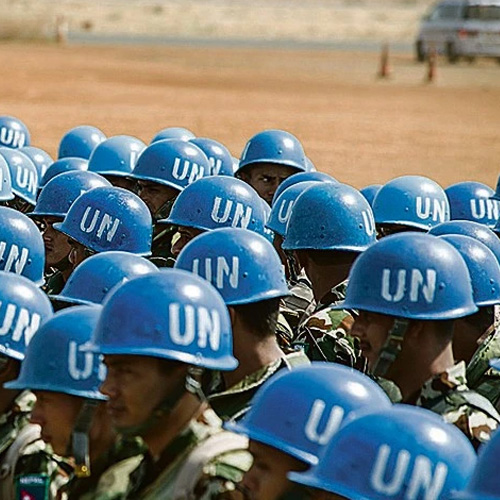
Com o início do século XXI, os conflitos parecem já não corresponder aos modelos classicamente aceites e projetados no tradicional “espectro das guerras”. Nas “novas guerras” intervêm atores estatais e não estatais, organizações supranacionais, agências de segurança privada, companhias militares privadas e organizações não-governamentais e, ainda, organizações criminosas e terroristas. Para além do mais, há fenómenos de violência híbrida que a paz liberal não considera nas suas análises. Este texto tem como objetivo geral demonstrar que existem novas formas de garantir o sucesso da intervenção dos Estados no novo terreno onde a insegurança está diretamente relacionada com problemas de desenvolvimento, ou seja, nas áreas onde se desenvolvem conflitos, e identificar as necessidades de adaptação dos mecanismos utilizados pela comunidade internacional e por outros atores relevantes do sistema internacional, tal como os Estados, para enfrentarem as “novas guerras” e as “novas ameaças transnacionais”.
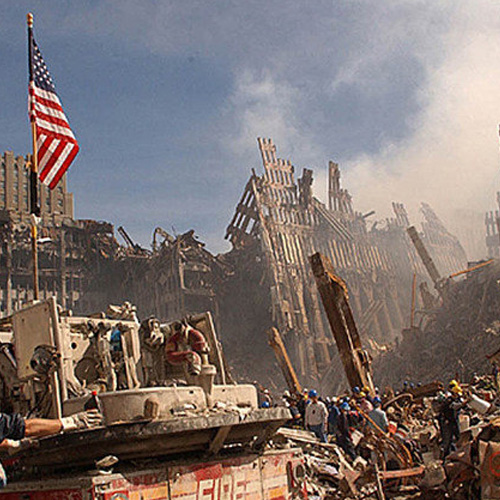
A derrota do candidato Republicano John McCain, nas eleições presidenciais de 2008, foi interpretada como uma renúncia não só à política económica, mas também, e mais importante, à forma como George W. Bush conduziu a política externa do país depois dos ataques terroristas de 2001. Segundo os mais críticos, os eleitores americanos não estavam dispostos a continuar a validar uma política exterior vista como agressiva – particularmente após a intervenção militar dos EUA no Iraque, em 2003 - baseada no poder militar e no unilateralismo, que tinha como principal prioridade alcançar o globalismo democrático. Sobretudo, porque as Administrações de W. Bush associariam a promoção da democracia à segurança e ao interesse nacional do país, num enquadramento mais abrangente no combate ao terrorismo internacional. É precisamente sobre esta problemática que nos propusemos discorrer com a elaboração deste artigo. Ou seja, determinar qual foi o impacto do terrorismo internacional na formulação da política externa norte americana no pós 11 de Setembro.
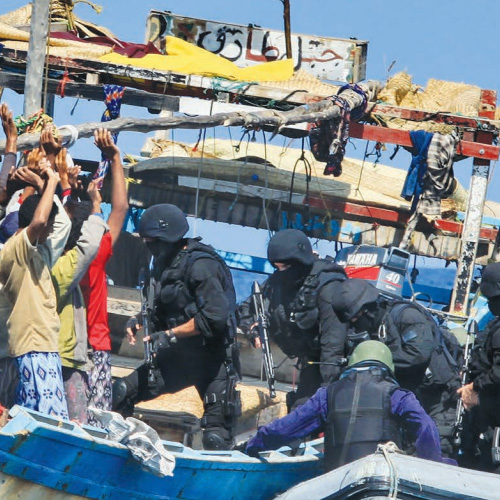
A pirataria é novamente uma ameaça crítica à segurança marítima. Testemunhámos a ascensão e queda da ameaça da pirataria no Golfo de Áden; hoje em dia assistimos a um aumento dessa ameaça no Golfo da Guiné. Ambas as situações são comparáveis? Tentaremos explorar e explicar as diferenças, nomeadamente, os aspetos jurídicos e políticos que surgem dessas situações e a importância do compromisso da comunidade internacional, tentando enfrentar essa ameaça à paz e segurança internacionais.
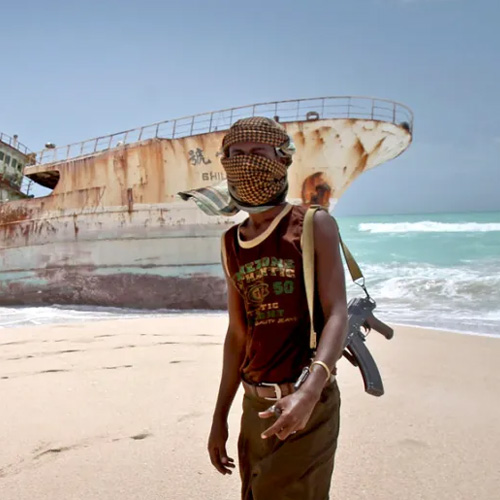
Com o fim da Guerra Fria desenvolveu-se um novo tipo de violência organizada que Mary Kaldor (2012) designou por "novas guerras", em oposição às “velhas guerras” tradicionalmente centradas nos Estados e no monopólio da violência organizada legítima. Estas “novas guerras” envolvem atores estatais e não estatais, públicos e privados, atuando de modo formal ou informal, com motivações políticas ou económicas, e que surgem usualmente num contexto de erosão da autonomia ou desintegração do Estado. O fenómeno da pirataria somali contemporânea configura uma destas “novas guerras”, uma vez que os atores envolvidos são, maioritariamente, grupos criminosos organizados, que utilizam a violência de forma privada para fins privados, geralmente ganhos financeiros, pondo em causa a segurança das rotas marítimas internacionais que ligam África, América, Ásia e Europa. O presente capítulo pretende analisar a ação da Organização das Nações Unidas face à insegurança marítima que se viveu no Corno de África, no início do corrente século. As conclusões obtidas mostram que o Conselho de Segurança assumiu um papel fundamental neste processo, uma vez que a partir das quatro resoluções emitidas em 2008 foi possível a intervenção de diversos atores da Comunidade Internacional, que levaram ao controlo da pirataria somali.
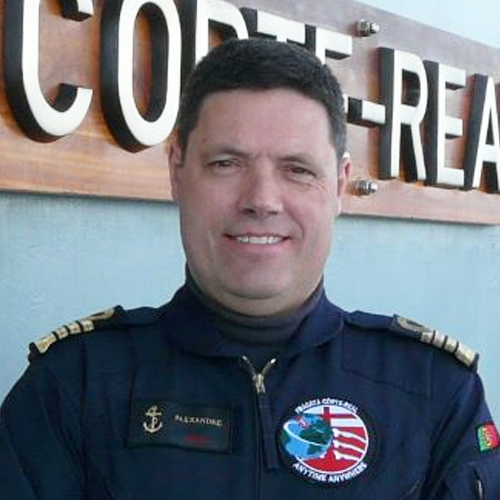
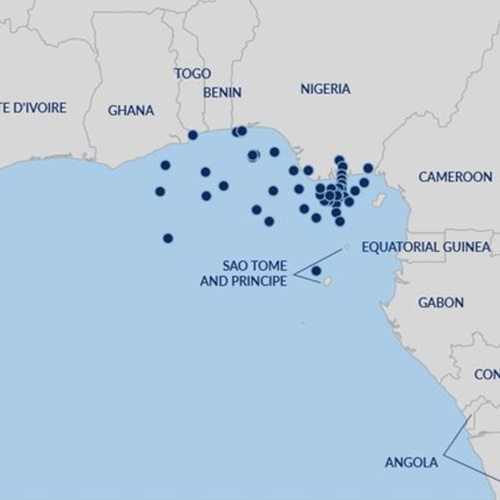
O presente artigo identifica e analisa o problema da insegurança marítima no golfo da Guiné tendo em conta vários fatores desestabilizadores que contribuem para amplificar a instabilidade e a degradação do ambiente marítimo na região. É dada particular atenção à pirataria e às atividades ilícitas que comprometem o desenvolvimento económico e social dos países da região, nomeadamente o excesso de pesca ilegal, o crime organizado, o tráfico de estupefacientes, a migração ilegal e a degradação ambiental. São reveladas algumas formas de mitigação dos problemas regionais da costa atlântica africana, assim como formas de atuação de países parceiros ou com interesses na região como contributo para minimizar os problemas identificados. A atuação de Portugal, através da sua diplomacia, com a presença em fóruns internacionais, e das suas Forças Armadas, particularmente a Marinha, na amplificação desse apoio e no desenvolvimento de mecanismos para a capacitação marítima dos países da região e o fortalecimento de estruturas legislativas dos Estados, nomeadamente de guardas costeiras e Marinhas desses países, tem-se revelado de enorme sucesso, sendo já identificada como uma modalidade de atuação a prosseguir que, com o apoio de novos parceiros, constitui mais um passo para a construção da segurança e da paz na região.
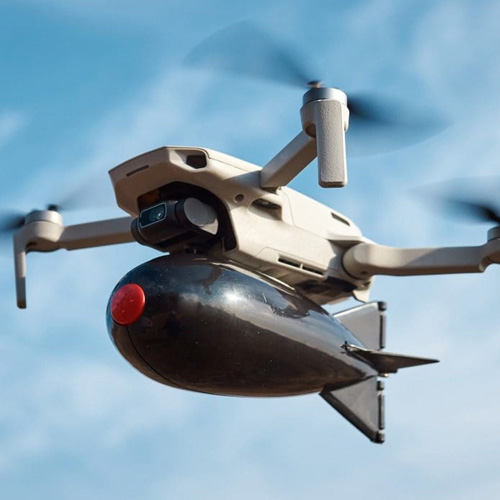
Inteligência Artificial reveste-se como um produto de topo da evolução tecnológica, da ciência da computação. Permite a edificação de máquinas capazes de análise e tomada de decisões, de forma autónoma e independente da mente humana. Este produto já tem aplicação no domínio da S&D. O número de Estados que estão a instalar ou tem projetos no seio desta tecnologia, para aplicações civis ou militares, tem vindo a aumentar. A maior presença de máquinas inteligentes reduz a exposição dos seres humanos ao risco, contudo, marca uma tendência para a desumanização da decisão. Este produto não é, contudo, uma mera ferramenta de guerra. Permitiu modificar a natureza da guerra, demarcando uma tendência centrada na tecnologia. As mais recentes inovações na Inteligência Artificial trazem novas possibilidades de utilização, que já começam a alterar os objetivos e estratégias das futuras operações militares, demarcadas por teatros que passam a fluir como uma rede global de campos de batalha difusos, com poder de fogo altamente móvel e dispersos. Propõe-se uma reflexão sobre a Inteligência Artificial, integrada no domínio da S&D, numa perspetiva de análise como vantagem dissimétrica e como esta tem participado para a Revolução dos Assuntos Militares.