Editorial
A presente obra, constituída por três volumes dos Cadernos do IUM (números 45, 46 e 47) versa os domínios da geopolítica e da geoestratégia – especificamente relacionados com chokepoints e shatterbelts –, congregando um conjunto de trabalhos realizados na Unidade Curricular de Geopolítica do Curso de Estados Maior-Conjunto 2019-2020, o que é de salientar, pois representa bem a superior qualidade e o nível de exigência do ensino neste Instituto.
Numa análise abrangente e plena de atualidade dos principais chokepoints e shatterbelts, de grande relevância para a economia mundial e para a projeção do poder militar em termos globais, os estudos agora levados à estampa analisam, ainda, os interesses das grandes potências em cada uma das áreas geográficas e as dinâmicas locais e regionais decorrentes da existência destes dois espaços geográficos sobrepostos. Uma perspetiva integral da análise essencial para melhor entender as relações complexas entre os diversos atores e, ainda, a relação entre chokepoints, em particular os que servem de entrada e saída do Mar Mediterrâneo: Gibraltar, Suez, Bab el-Mandeb, Bósforo e Dardanelos.
Felicito os autores e coordenadores desta obra e faço votos de que seja de utilidade e contribua para o enriquecimento científico e cultural de um largo número de leitores, seja no âmbito de estudos académicos ou no de uma leitura mais descontraída.
IUM em Pedrouços, 01 de outubro de 2020
Tenente-general Manuel Fernando Rafael Martins
O Comandante do IUM
Artigos
4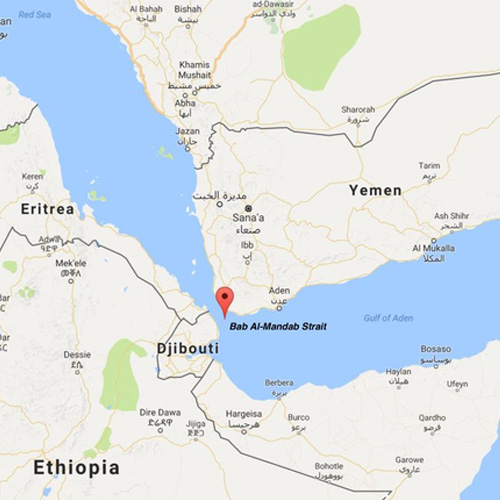
O Canal Suez, a Sumed Pipeline e o Estreito de Bab-el-Mandeb, devido ao seu valor geopolítico e geoestratégico, são designados no presente trabalho como chokepoints primários, pois, por eles passa, diariamente, uma significativa parte do transporte comercial, ao que acresce estarem localizados numa das regiões mais ricas do mundo em recursos naturais - o Médio Oriente, considerado ainda uma shatterbelt. Conjunto de motivos suficientes para atrair a atenção de diversos atores globais e regionais. Neste pressuposto, o objetivo deste trabalho é analisar as dinâmicas dos fatores geopolíticos e geoestratégicos do Canal do Suez, a Sumed Pipeline, e o Estreito de Bab-El-Mandeb numa perspetiva política, económica e militar, e ainda, as relações de conflito e acomodação entre os diversos atores. Posto isto, as conclusões demostram que, de uma forma geral, existe um alinhamento de interesses entre os Estados Unidos da América, Arábia Saudita, Emirados Árabes Unidos e Egito em oposição aos interesses da Rússia, Irão e Turquia. Por sua vez, verifica-se que a China é um o ator que conflitua diretamente com os interesses dos Estados Unidos, mas que consegue criar relações de acomodação com todos os outros.

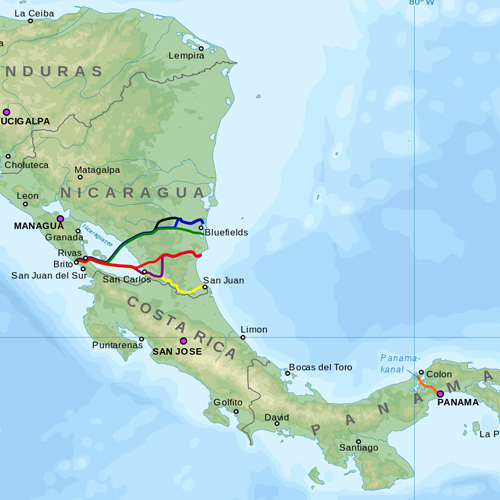
O Canal do Panamá sempre assumiu um papel relevante, não só para o próprio país em que se insere, como para toda a região da América Central e, fundamentalmente, para os Estados Unidos da América, que desde sempre procuraram uma economia robusta, a par de uma busca incessante pela hegemonia mundial, na qual o poder marítimo se revela determinante. Este Canal, não só permitiu e continua a permitir, o controlo regional e afirmação dos Estados Unidos da América em todo o mundo, como detém características e capacidades que permitem desenvolver e elevar o comércio internacional, fazendo com que este seja um instrumento de poder amplamente cobiçado pelas grandes potências mundiais. Desta forma, procurou-se identificar e analisar, nos domínios da geopolítica e geoestratégia, as relações de interesse entre os diferentes atores da cena internacional, como sejam os Estados Unidos da América, a China, a Europa e mesmo a Rússia, este último ainda que de forma mais discreta. Verifica-se que, atualmente, o Canal do Panamá se constitui como um instrumento de negociação de poder, essencialmente comercial, promovendo um estreitamento de relações diplomáticas entre toda a região da América Central e os diversos atores em competição pela economia mundial.

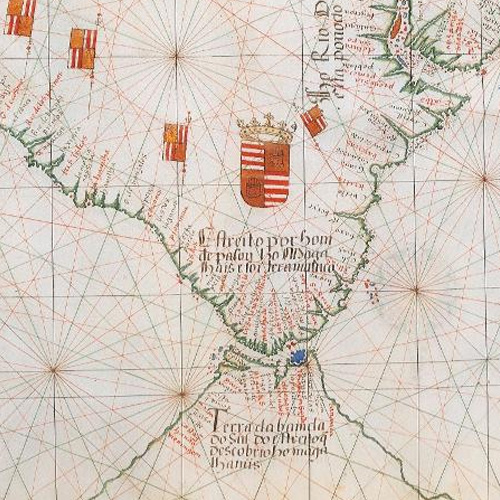
A Passagem Sul, entre os Oceanos Atlântico e Pacífico, definida pelo Estreito de Magalhães, Passagem de Drake e Península Antártica, provou ser parte nevrálgica das rotas comerciais, designadamente das grandes potências europeias, até à inauguração do Canal do Panamá, em 1914, momento em que foi relegada para um plano geopolítico secundário. Contudo, quer como passagem aos navios que excedem o Panamax, e que consequentemente vêm vedada a travessia pelo Canal do Panamá (nomeadamente os grandes porta-aviões americanos), quer como alternativa potencial aos restantes navios em caso de encerramento do citado Canal, a Passagem Sul mantém ainda valor geopolítico, particularmente numa ótica “mahanista” do poder, alicerçado no controlo marítimo das rotas comerciais. Concorre para este recrudescer de valor geopolítico da Passagem Sul, os incomensuráveis recursos energéticos, minerais e alimentares, com especial ênfase para os existentes na Antártida, que já se encontram a ser disputados pelas potências regionais, mas também por outras potências como a China, Rússia, EUA, Reino Unido e Alemanha. Ao mesmo tempo, adensam-se velhas disputas como a questão das Falkland/Malvinas ou do Sistema do Tratado da Antártida, surgindo também novas, muitas decorrentes da endémica volatilidade política da América Latina, que convergem também para exponenciar geopoliticamente as vias marítimas em estudo.
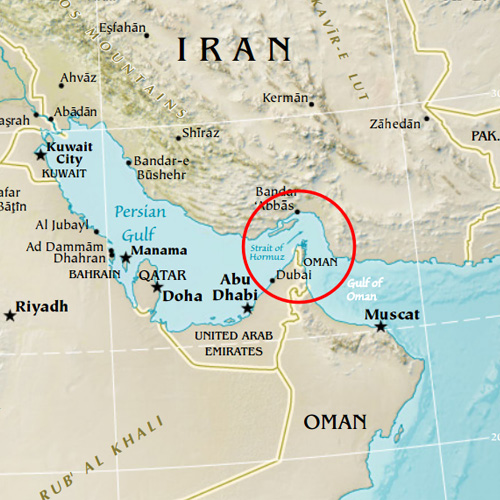
O Estreito de Ormuz é um dos chokepoints mais importante do mundo, em virtude do comércio marítimo de hidrocarbonetos que transita por este espaço, nomeadamente um terço do petróleo exportado mundialmente. É considerado um dos palcos internacionais de diversos conflitos, sejam estes de âmbito regional ou global, em virtude da sua importância geoestratégica. Os principais atores regionais são o Irão e a Arábia Saudita: o Irão detém o controlo do Estreito de Ormuz e a Arábia Saudita usufrui do apoio dos Estados Unidos da América (EUA), particularmente ao nível militar. Estes dois Estados rivais possuem divergências históricas que impossibilitam a existência de paz na região, consubstanciados na sua génese ideológica, racial e religiosa. Os atores globais, designadamente os EUA, têm essencialmente interesses económicos, que são condicionados através dos fatores político-militares, que lhes garantem a influência na região. Destaca-se que este relevante chokepoint está inserido numa shatterbelt, considerada mais uma fragilidade na qual os atores globais atuarão para aumentar a sua influência neste ponto geoestratégico. Assim, o Estreito de Ormuz assume uma importância político-militar de impacto mundial, em virtude de diversos fatores e interesses dos principais atores, portanto não é expectável que exista uma diminuição das tensões naquela região.